

What Buyers Don’t Understand About Buying in the Comox Valley (And What It Costs Them)
Buying a Home in the Comox Valley Isn’t Hard! But It’s Easy to Get Things Wrong.
The Comox Valley continues to attract buyers from across Vancouver Island, the Lower Mainland, Alberta, and beyond. People are drawn to the lifestyle, the scenery, the slower pace, and the fact that communities like Comox, Courtenay, and Cumberland still offer value compared to many other BC markets.
But here’s the truth: many buyers come into the Comox Valley market thinking it works like everywhere else.
And that assumption can cost them time, money, and the home they really wanted.
Whether you’re buying your first property, relocating, or upgrading into your long-term home, this guide will walk you through the most common buyer mistakes I see in Comox Valley real estate, and how to avoid them.
1. Thinking the Asking Price Is the Real Price
One of the biggest misconceptions buyers have is assuming the listing price tells the full story.
In the Comox Valley, asking price is often influenced by:
- the seller’s timeline
- market conditions in that specific neighbourhood
- how much competition is expected
- whether the home is priced for a quick sale or priced to “test the market”
What this costs buyers
Buyers who assume a listing price is “fair market value” sometimes:
- offer too low and lose out immediately
- offer too high without understanding the risks
- skip proper research because they feel rushed
A better approach is to evaluate:
- comparable recent sales
- current competition
- days on market
- price reductions
- buyer demand in that specific micro-area
A home in Cumberland behaves differently than a home in East Courtenay, and a property near downtown Comox may attract very different buyers than one outside city services.
2. Underestimating How Fast the Right Homes Move
Even in balanced conditions, the best homes in the Comox Valley don’t sit around for long.
Well-presented listings in desirable areas can move quickly because they attract:
- local buyers watching the market daily
- retirees downsizing
- families relocating for lifestyle
- investors looking for stable rental demand
What this costs buyers
Buyers who wait a week to book a showing often find:
- the home is already conditionally sold
- multiple offers are already being considered
- sellers are no longer motivated to negotiate
If you’re serious about buying, you need a setup where you’re seeing new listings quickly and getting into the right homes early.
3. Assuming “Subject to Inspection” Means the Same Thing Everywhere
A home inspection condition is common in BC, but what many buyers don’t realize is that inspection results can vary significantly in the Comox Valley due to the types of homes we have here.
Many properties include:
- crawlspaces
- older roofs
- wood-burning appliances
- high moisture exposure
- older plumbing systems
- additions completed decades ago
What this costs buyers
Some buyers assume inspections are just a formality. But in this area, inspections often reveal real concerns such as:
- drainage and grading problems
- ventilation and moisture issues
- electrical upgrades needed
- roof replacement timelines
- older windows and insulation performance
- past renovations without permits
Inspections are still extremely valuable, but buyers should go into them prepared, with realistic expectations.
4. Not Understanding Deposit Timing and Offer Structure
In the Comox Valley market, a strong offer isn’t always the highest offer.
A strong offer is often one that feels:
- clean
- reliable
- well-structured
- low risk to the seller
Deposit amount, deposit timing, and conditions all matter.
What this costs buyers
Some buyers lose homes even though their offer was financially competitive, simply because:
- their deposit timing was unclear
- their condition period was too long
- their offer felt uncertain or complicated
- the seller didn’t believe the buyer could close smoothly
When competition exists, sellers lean toward the buyer that seems easiest to work with.
5. Confusing “Condition Removal” With “Guaranteed Ownership”
This one surprises people.
In BC, even once you remove conditions, the deal isn’t fully complete until closing. Issues can still arise, including:
- financing problems
- appraisal challenges
- insurance difficulties
- last-minute employment or credit changes
What this costs buyers
Buyers who assume everything is done after subject removal sometimes take unnecessary risks, such as:
- making big purchases
- changing jobs
- moving money around
- cancelling rental agreements too early
A smooth closing requires staying stable and organized right until possession.
6. Not Thinking About Heating Costs and Home Efficiency
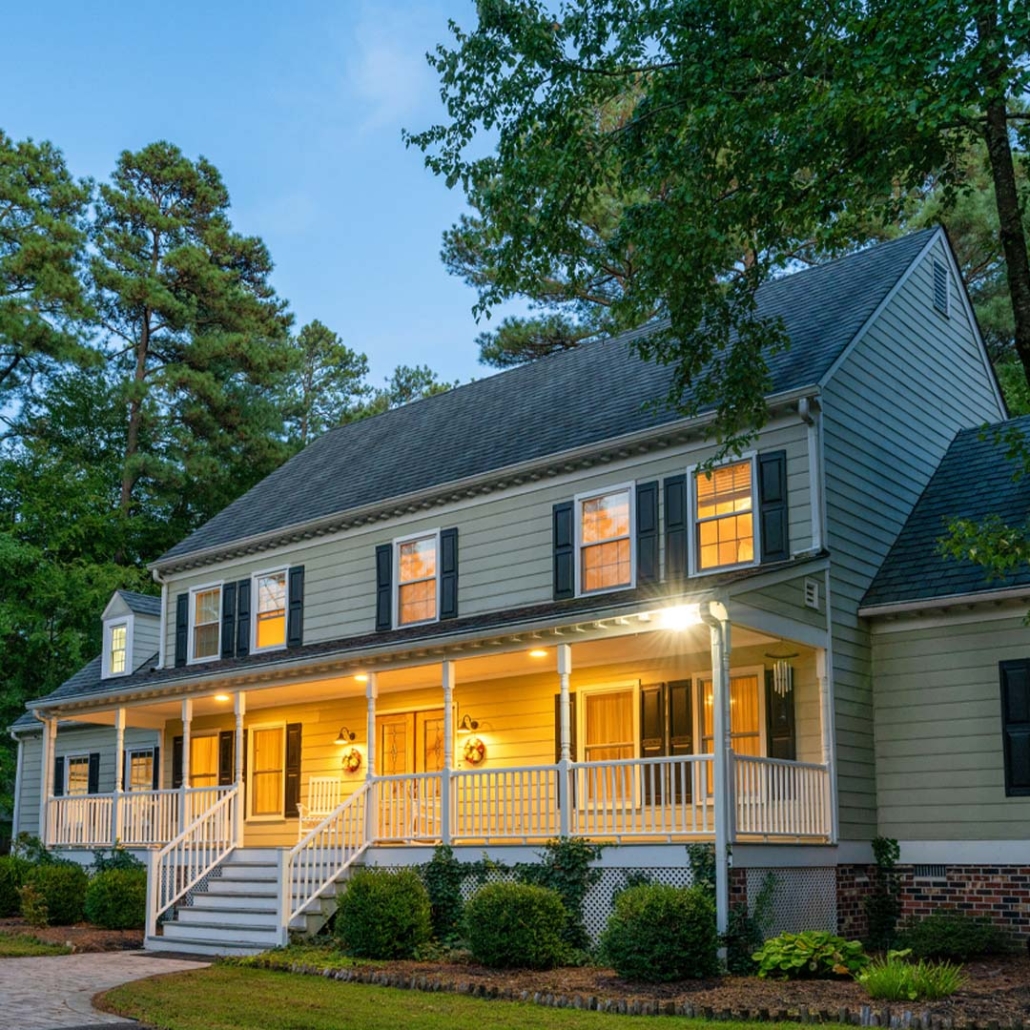
The Comox Valley climate is mild compared to many parts of Canada, but heating costs still matter, especially in older homes.
Buyers often focus on square footage and layout, but ignore things like:
- baseboard electric heating
- older windows
- insulation quality
- heat pump upgrades
- wood stove condition
- crawlspace ventilation
What this costs buyers
Some buyers end up shocked by their first winter utility bills.
Heating type can also impact insurance costs and resale appeal. A home with an efficient heat pump is often more attractive long-term than a similar home without one.
7. Assuming Rural Properties Are “Basically the Same” as Town Properties
The Comox Valley has a strong rural market; properties outside Courtenay and Comox, acreage near Merville, and homes in more remote pockets.
These properties can be incredible, but rural ownership is not the same as suburban ownership.
Common rural factors buyers overlook
- well water testing and flow rate
- septic system age and inspection
- driveway access and snow removal responsibility
- zoning restrictions and permitted uses
- outbuildings that may not be permitted
- Internet service availability
What this costs buyers
A buyer might fall in love with a rural home and then discover they need to spend thousands on:
- septic repairs
- water treatment
- driveway improvements
- insurance upgrades
- electrical servicing
Rural properties can be an amazing choice, but they require more due diligence.
8. Believing Online Information Is Always Accurate
Most buyers start their search online, which makes sense. But many don’t realize how often online data can be outdated or incomplete.
Common issues include:
- incorrect property tax estimates
- missing strata information
- inaccurate room sizes
- outdated “assessment values”
- incomplete listing history
What this costs buyers
Buyers who rely only on online info can make poor decisions about value, financing, or affordability.
The best strategy is combining online research with professional guidance and real local comparables.
9. Not Considering Resale Value Even if This Is a “Forever Home”
Even if you plan to stay long-term, life changes.
It’s still important to think about resale, especially in the Comox Valley, where neighbourhoods can vary dramatically in demand.
What matters most for resale in the Comox Valley
- location and proximity to amenities
- school catchment desirability
- heating efficiency
- overall condition and maintenance
- legal suite potential
- yard usability
- walkability in the Comox and Courtenay areas
What this costs buyers
Some buyers purchase a home they love, but later discover it is harder to sell due to:
- traffic location
- lack of parking
- awkward layout
- expensive deferred maintenance
- limited market appeal
10. Trying to Negotiate Like It’s Still 2018
Some buyers still assume every seller is desperate and every listing has lots of room for negotiation.
In reality, sellers in the Comox Valley are often well-informed, and good homes still attract competition.
What this costs buyers
Over-aggressive negotiation can:
- offend sellers
- lose you the home
- reduce your leverage during inspections
- delay the process and allow another buyer to step in
Negotiation is absolutely part of real estate, but it has to be strategic and market-aware.
How to Buy Smart in the Comox Valley (Without Overpaying)
The goal isn’t to rush into a purchase.
The goal is to buy with clarity.
The smartest buyers typically:
- understand local neighbourhood pricing
- watch the market consistently for a few weeks
- act quickly on the right homes
- structure strong offers
- use inspections strategically
- stay realistic about older homes and rural property requirements
When you understand the local market, buying becomes less stressful, and you avoid expensive surprises.
Buying in Comox Valley? Let’s Make Sure You Get It Right
Whether you’re buying in Comox, Courtenay, Cumberland, or a rural area nearby, the details matter.
If you’d like a clearer idea of:
- what homes are actually selling for right now
- what neighbourhood fits your lifestyle best
- how to structure a strong offer
- what to watch for in inspections
I’d be happy to help.
FAQ: Buying Real Estate in the Comox Valley
Is the Comox Valley a competitive real estate market?
It can be, especially for well-priced homes in Comox, East Courtenay, and Cumberland. Desirable homes often sell quickly, particularly in spring and early summer.
What is the biggest mistake buyers make in the Comox Valley?
The biggest mistake is assuming the market behaves the same across all neighbourhoods. Micro-markets matter here, and pricing can vary dramatically even within short distances.
Should I always get a home inspection?
In most cases, yes. Many Comox Valley homes are older, and inspections can uncover moisture issues, roofing timelines, drainage problems, or electrical upgrades that aren’t obvious during a showing.
Are rural properties in the Comox Valley a good investment?
They can be excellent, but buyers should be prepared to evaluate septic, wells, access, and zoning carefully. Rural ownership comes with more responsibility and long-term maintenance.
Is it possible to buy without conditions in the Comox Valley?
It’s possible, but not always recommended. In some competitive situations, buyers may shorten condition timelines rather than removing them completely.
How do I know what a home is really worth?
The best way is by comparing recent sold properties in the same neighbourhood and evaluating condition, upgrades, lot size, and current buyer demand. Online estimates are often unreliable.