
Tag Archive for: real estate

How to Make Minimalist Design Feel Like Home

How to Make Minimalist Design Feel Like Home

Minimalism has long been a staple in interior design, but today’s approach is warmer, softer, and far more personal. Where “minimalist” once conjured images of cold, clinical spaces and stark modern lines, the style has evolved to embrace comfort, texture, and lived-in character.

If you’re looking to simplify your space without sacrificing warmth or personality, here’s how to create a minimalist home that feels intentional, inviting, and uniquely yours.

What Is Minimalist Interior Design?

Minimalist interior design focuses on functionality, clarity, and visual calm. Clean lines, neutral colour palettes, and clutter-free spaces form the foundation.

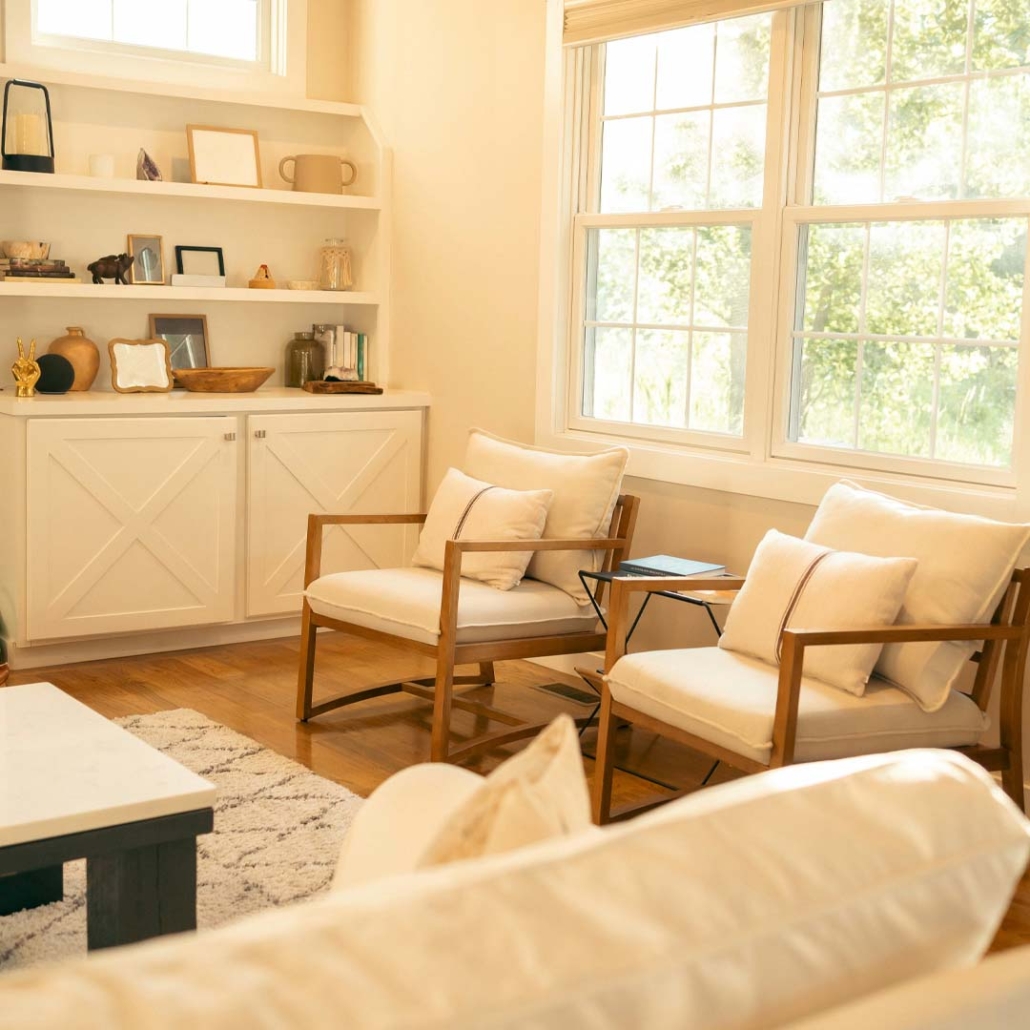
The modern evolution of this style—often referred to as warm minimalism—introduces softness, natural materials, and personal expression, making spaces feel livable rather than sterile.

The Rise of Warm Minimalism in 2025

In 2025, minimalist interiors are shifting away from stark and severe aesthetics toward cozy, organic environments. Warm minimalism emphasizes tranquility while still allowing personality to shine through.

Key Elements of Warm Minimalism

  • Earthy tones: ivory, taupe, clay
  • Natural textures: wood, stone, linen
  • Subtle décor: sculptural vases, greenery, warm lighting
  • Room to breathe: open layouts and intentional negative space

Declutter With Purpose

Decluttering is the cornerstone of minimalist living—but it’s not just about removing items. It’s about refining your home to reflect what truly matters.

Ask yourself:

  • What do I use and love?
  • What supports how I want to live?
  • What adds real value or meaning?

For items you choose to keep, especially clothing and kitchen appliances, thoughtful storage is essential. Keeping everyday necessities organized and out of sight helps maintain visual calm.

Choose a Soft, Neutral Colour Palette

Neutral colours provide a soothing, timeless foundation. If bright white feels too stark, opt for warmer alternatives like ivory, taupe, or clay. These tones create a welcoming atmosphere and allow accent pieces to add subtle contrast without overwhelming the space.

Use Lighting to Warm Up Your Space

Lighting plays a crucial role in making minimalist interiors feel comfortable rather than cold. Select fixtures made from natural materials such as linen, wood, or frosted glass, and choose warm LED bulbs over cool-toned lighting.

Minimalist Lighting Tips

  • Incorporate soft-glow table lamps and wall sconces
  • Maximize natural light with sheer curtains
  • Use mirrors to reflect light and visually expand smaller rooms
  • Choose organic shapes that complement your furnishings

Introduce Movement Through Furniture

Traditional minimalism often leans toward rigid, straight lines. Warm minimalism embraces gentle curves and organic shapes to soften the overall look.

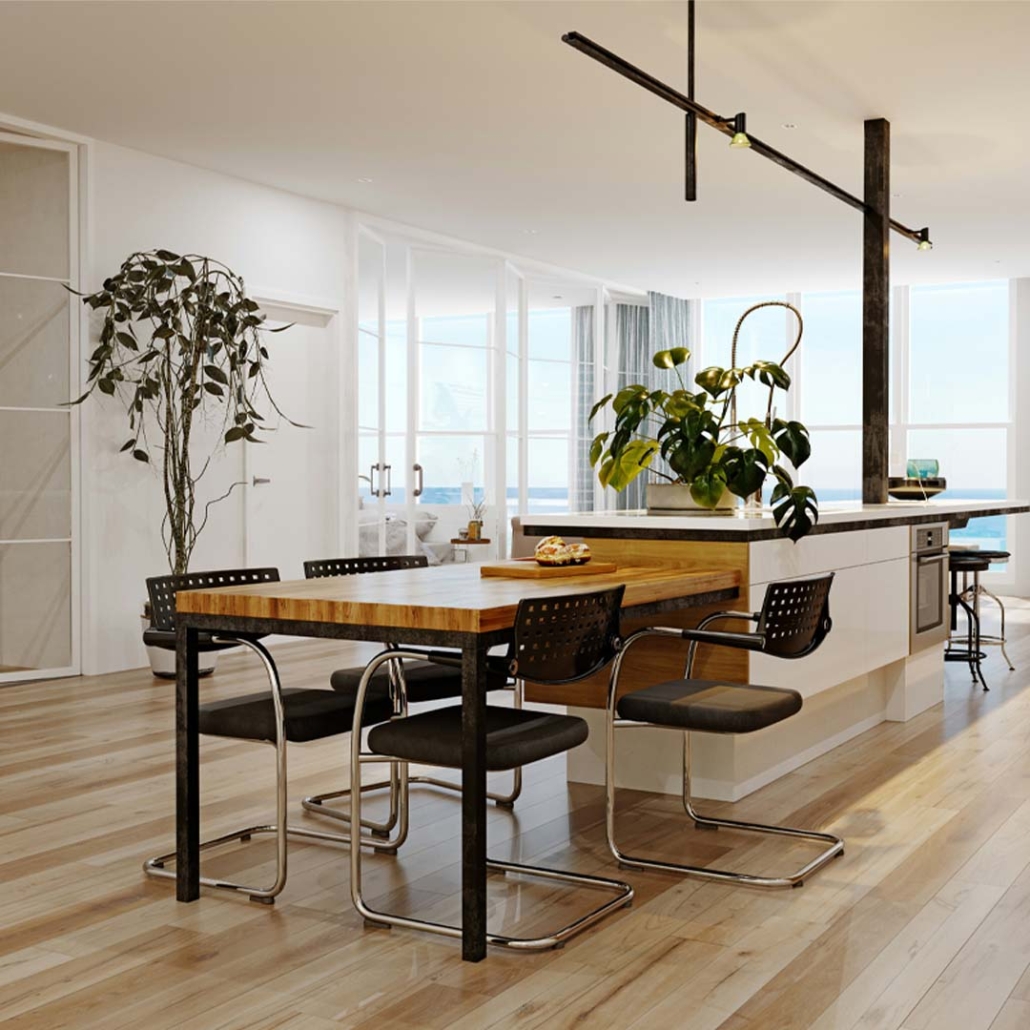
Consider curved dining chairs, rounded faucets, sculptural light fixtures, or subtly contoured sofas. Balancing clean lines with fluid forms creates a polished yet approachable aesthetic.

Bring Nature Indoors

A hallmark of minimalist design is a strong connection to nature. Thoughtfully placed plants, herbs, and natural décor elements add warmth and vitality.

  • In winter, decorate with pinecones and evergreen branches
  • In summer, display fresh flowers from the garden

These simple, seasonal touches are understated yet powerful in creating a welcoming home.

Layer Texture Thoughtfully

Texture adds depth without clutter. Wool rugs, linen drapes, stone countertops, and soft throws introduce tactile interest while maintaining visual simplicity.

These layers make minimalist spaces feel comfortable, grounded, and truly livable.

Embrace Negative Space

Minimalist interiors thrive on breathing room. Limit décor to a few intentional pieces—a framed photograph, a sculptural vase, or a simple candle—so each item has room to stand out.

Negative space helps rooms feel calm, curated, and far from bare or boring.

Add Personal Touches With Intention

Modern minimalism leaves space for art, heirlooms, and meaningful objects. Rather than spreading items throughout your home, showcase one or two carefully chosen pieces that tell your story.

If you have collections or keepsakes you’re not ready to part with, store them and rotate displays seasonally. Treat these areas like a gallery, allowing each piece its moment to shine.

Final Thoughts

Minimalist design has evolved well beyond cold, empty spaces. Today, it’s about creating tranquil interiors rich in warmth, texture, and personality.

By being intentional with materials, furnishings, décor, and negative space, you can build a home that feels calming, inviting, and deeply personal—a space that truly reflects how you live.

Thinking About Buying or Selling a Minimalist Home in the Comox Valley?

Design trends like warm minimalism are influencing buyer preferences across the Comox Valley. If you’re preparing to sell, redesigning your space, or searching for a home that balances style and comfort, Janice Leffler, REALTOR® in the Comox Valley, offers local insight and thoughtful guidance.

From staging advice to understanding what today’s buyers value most, Janice can help you make confident real estate decisions.

Connect with Janice Leffler today to explore opportunities in the Comox Valley real estate market.

best realtor in comox valley

How Did Real Estate in Comox Valley Fair in 2025?

Real estate in Comox Valley fared steadily in 2025, with balanced conditions, stable prices, and a market that rewarded patience and preparation.

After several years of rapid change, 2025 felt calmer for both buyers and sellers. Activity slowed compared to peak years, but demand never disappeared. Instead, the market shifted into a more thoughtful phase. This balance helped create healthier transactions across the Valley.

More Details on the 2025 Market for Homes in Comox Valley 

Comox-Valley-real-estate

Inventory levels improved slightly in 2025. More listings gave buyers options, especially in single-family homes and townhomes. This reduced bidding wars and allowed for conditions to return to offers. Buyers were able to schedule inspections and negotiate repairs, which brought confidence back into the process.

Pricing remained relatively stable. While some properties needed price adjustments, well-maintained homes in good locations continued to perform well. Waterfront and view properties stayed in demand, though buyers became more selective. Homes that were priced realistically sold. Homes that pushed the market often sat longer.

Interest rates played a big role this year. With rates holding steady for much of 2025, buyers could plan ahead. This helped first-time buyers and downsizers re-enter the market. Sellers benefited from serious buyers who were financially prepared and motivated to move forward.

The Comox Valley lifestyle continued to attract attention. Buyers from other parts of British Columbia were drawn to the slower pace, access to nature, and a strong sense of community. This ongoing interest helped support the market, even during quieter months.

For sellers, 2025 reinforced the importance of strategy. Homes that were staged, well-marketed, and priced correctly stood out. For buyers, it was a year to be cautious but optimistic. Opportunities existed, especially for those willing to act when the right property came along.

Contact Me About Comox Valley Real Estate

Listing Homes for Sale in Courtenay BC in the Late Summer

Overall, real estate in Comox Valley proved resilient in 2025. It was not a year of extremes, but rather, a year of balance, smart decisions, and steady movement. Working with a local real estate professional made a real difference in navigating these conditions.

If you’re planning to buy or sell in the year ahead, understanding how 2025 unfolded can help you move forward with confidence. Contact me today for more information!

FAQ

Assessing an Offer What Comox Valley Sellers Need to Know

1. Was 2025 a buyer’s or seller’s market in the Comox Valley?

It leaned toward a balanced market. Both buyers and sellers had opportunities when pricing and timing were right.

2. Did homes take longer to sell in 2025?

Yes, many homes spent more time on the market. Proper pricing and presentation helped reduce delays.

3. Is the Comox Valley still attracting out-of-town buyers?

Yes. Lifestyle, scenery, and community continue to draw buyers from across British Columbia.

decide between renovating and relocating

Is your home still ‘the one’? How to decide between renovating and relocating

Is your home still ‘the one’? How to decide between renovating and relocating

At first, your home may have felt like true love, the perfect match. It had you full of excitement and possibilities. As time goes on, the honeymoon phase can fade.

Maybe you’re craving more space, a shorter commute to work or school, or modern features that other homes seem to have. If you’re feeling restless, you might be wondering, “Is it time for a fresh start? Or maybe this relationship can be saved with a little TLC?”

Deciding whether to move to a new home or renovate the one you’ve got is no small decision. It’s a mix of emotions, finances, and practicality all rolled into one. Think of it and weigh the pros and cons of both options to figure out what truly fits your family and lifestyle.

The following suggestions will help you determine if your home is still “the one” or if it’s time to move on.

Top reasons to renovate your home

It might be better to renovate if you love your neighbourhood, have sentimental attachments to your home, or see potential in upgrading your space.

Here’s when improving makes sense:

  1. Your home has good bones
    If your home is structurally sound and doesn’t require major foundational work, a renovation could be a cost-effective way to address your needs. Open up your floor plan, update outdated features, or add square footage. These changes could create a home that feels brand new.
  2. You love your location
    If your home is in a desirable neighbourhood, close to work, or within a top school district, improving your home allows you to enjoy these benefits while adapting your space to meet your needs.
  3. Renovations increase value
    Consider renovations that will add significant value to your property. Projects like modernizing the kitchen, updating bathrooms, or adding energy-efficient upgrades often provide a good return on investment.
  4. Moving costs are prohibitive
    Between realtor fees, closing costs, and moving expenses, relocating can be expensive. If your renovation budget is less than the cost of moving, it might make more financial sense to stay put.

Top reasons to move to a new home

Sometimes, no amount of renovation can fix a home that no longer suits your lifestyle. Here’s when moving to a new property may be the better option:

  1. Space is limited
    Your family may have outgrown your current home. There’s no room to expand, or zoning restrictions make it impossible to do so. Moving to a larger property may be the best solution.
  2. Your needs have changed
    Life changes may make your current home impractical. A growing family, a new job, or aging parents moving in could prompt a change. In these cases, finding a home that meets your new needs can be more effective than extensive renovations.
  3. Renovations are too costly
    If renovations required to make your home suitable are extensive and expensive, the ROI might not justify the investment. In this case, moving may be more cost-effective.
  4. You’re ready for a change
    Sometimes, the desire for a fresh start or a completely different style of home outweighs the convenience of staying. If you’re feeling uninspired or constrained in your current home, it might be time to explore new options.

Key questions to help you decide whether to renovate or relocate

Still stuck between renovating and relocating? Here are a few crucial questions to ask yourself to find an answer.

  1. What’s my budget? Compare the costs of renovating versus moving. Don’t forget to factor in hidden costs like permits, temporary housing, or realtor fees.
  2. How disruptive will renovations be? Living through major renovations can be stressful and time-consuming. Consider whether you have the time and patience for the process.
  3. Will I get the features I want? If your renovation can’t deliver your dream home, moving may be the better choice.
  4. How long do I plan to stay? If you plan to stay in your current home for many years, renovations could be a worthwhile investment. If not, moving might make more sense.

How we can support your decision

The choice between moving and improving is deeply personal and depends on your unique situation. By evaluating your needs, budget, and long-term goals, you can make a decision that works best for you and your family.

Whether you decide to renovate or relocate, having the right team on your side makes all the difference. Royal LePage professionals specialize in helping homeowners navigate these pivotal decisions. From finding trusted contractors to discovering your dream home, they’re here to guide you every step of the way.

Get in touch with me to learn more!