Tag Archive for: seller tips

How to Make Minimalist Design Feel Like Home

How to Make Minimalist Design Feel Like Home

Minimalism has long been a staple in interior design, but today’s approach is warmer, softer, and far more personal. Where “minimalist” once conjured images of cold, clinical spaces and stark modern lines, the style has evolved to embrace comfort, texture, and lived-in character.

If you’re looking to simplify your space without sacrificing warmth or personality, here’s how to create a minimalist home that feels intentional, inviting, and uniquely yours.

What Is Minimalist Interior Design?

Minimalist interior design focuses on functionality, clarity, and visual calm. Clean lines, neutral colour palettes, and clutter-free spaces form the foundation.

The modern evolution of this style—often referred to as warm minimalism—introduces softness, natural materials, and personal expression, making spaces feel livable rather than sterile.

The Rise of Warm Minimalism in 2025

In 2025, minimalist interiors are shifting away from stark and severe aesthetics toward cozy, organic environments. Warm minimalism emphasizes tranquility while still allowing personality to shine through.

Key Elements of Warm Minimalism

  • Earthy tones: ivory, taupe, clay
  • Natural textures: wood, stone, linen
  • Subtle décor: sculptural vases, greenery, warm lighting
  • Room to breathe: open layouts and intentional negative space

Declutter With Purpose

Decluttering is the cornerstone of minimalist living—but it’s not just about removing items. It’s about refining your home to reflect what truly matters.

Ask yourself:

  • What do I use and love?
  • What supports how I want to live?
  • What adds real value or meaning?

For items you choose to keep, especially clothing and kitchen appliances, thoughtful storage is essential. Keeping everyday necessities organized and out of sight helps maintain visual calm.

Choose a Soft, Neutral Colour Palette

Neutral colours provide a soothing, timeless foundation. If bright white feels too stark, opt for warmer alternatives like ivory, taupe, or clay. These tones create a welcoming atmosphere and allow accent pieces to add subtle contrast without overwhelming the space.

Use Lighting to Warm Up Your Space

Lighting plays a crucial role in making minimalist interiors feel comfortable rather than cold. Select fixtures made from natural materials such as linen, wood, or frosted glass, and choose warm LED bulbs over cool-toned lighting.

Minimalist Lighting Tips

  • Incorporate soft-glow table lamps and wall sconces
  • Maximize natural light with sheer curtains
  • Use mirrors to reflect light and visually expand smaller rooms
  • Choose organic shapes that complement your furnishings

Introduce Movement Through Furniture

Traditional minimalism often leans toward rigid, straight lines. Warm minimalism embraces gentle curves and organic shapes to soften the overall look.

Consider curved dining chairs, rounded faucets, sculptural light fixtures, or subtly contoured sofas. Balancing clean lines with fluid forms creates a polished yet approachable aesthetic.

Bring Nature Indoors

A hallmark of minimalist design is a strong connection to nature. Thoughtfully placed plants, herbs, and natural décor elements add warmth and vitality.

  • In winter, decorate with pinecones and evergreen branches
  • In summer, display fresh flowers from the garden

These simple, seasonal touches are understated yet powerful in creating a welcoming home.

Layer Texture Thoughtfully

Texture adds depth without clutter. Wool rugs, linen drapes, stone countertops, and soft throws introduce tactile interest while maintaining visual simplicity.

These layers make minimalist spaces feel comfortable, grounded, and truly livable.

Embrace Negative Space

Minimalist interiors thrive on breathing room. Limit décor to a few intentional pieces—a framed photograph, a sculptural vase, or a simple candle—so each item has room to stand out.

Negative space helps rooms feel calm, curated, and far from bare or boring.

Add Personal Touches With Intention

Modern minimalism leaves space for art, heirlooms, and meaningful objects. Rather than spreading items throughout your home, showcase one or two carefully chosen pieces that tell your story.

If you have collections or keepsakes you’re not ready to part with, store them and rotate displays seasonally. Treat these areas like a gallery, allowing each piece its moment to shine.

Final Thoughts

Minimalist design has evolved well beyond cold, empty spaces. Today, it’s about creating tranquil interiors rich in warmth, texture, and personality.

By being intentional with materials, furnishings, décor, and negative space, you can build a home that feels calming, inviting, and deeply personal—a space that truly reflects how you live.

Thinking About Buying or Selling a Minimalist Home in the Comox Valley?

Design trends like warm minimalism are influencing buyer preferences across the Comox Valley. If you’re preparing to sell, redesigning your space, or searching for a home that balances style and comfort, Janice Leffler, REALTOR® in the Comox Valley, offers local insight and thoughtful guidance.

From staging advice to understanding what today’s buyers value most, Janice can help you make confident real estate decisions.

Connect with Janice Leffler today to explore opportunities in the Comox Valley real estate market.

kitchen updates to sell your home

5 small yet impactful kitchen updates to sell your home that you can complete in a weekend!

Every now and then, you may look at your kitchen and feel that it needs a facelift. You may want to bring it up to speed with current design trends. Thankfully, upgrading your home doesn’t have to break the bank. It doesn’t have to mean a major construction overhaul. Even small updates like switching out cabinet hardware or applying a new coat of paint can make your kitchen feel brand new.

Here are five small yet powerful ways to update your kitchen without spending thousands of dollars.

Introduce open shelving

Adding open shelving to your kitchen not only creates an additional means of storage. It also gives an eye-catching display area to showcase your personal style.

Open shelving: incorporate a single shelf, or two to three levels of shelving. It can instantly make your kitchen feel more spacious. It also provides easy access to everyday items like dishes, cups and seasonings. There are many shelving options to choose from. You may prefer traditional painted shelves with crown moulding or rustic wooden mantels with metal hardware for a more industrial look.

Open shelving in the kitchen doesn’t need to be reserved for simply practical uses, like storing glassware and plates, either. Get creative with your shelf styling and introduce plants, framed artwork, pottery, decorative ceramics, recipe books and more.

Upgrade your hardware

Just like your backsplash or countertops, your hardware can have a powerful effect on your kitchen’s persona. Updating your cabinet handles, sink faucet, light switch plates and drawer knobs can give your space a whole new vibe. Whether you prefer fixtures that are modern and sleek, or timeless and classic there are many to choose from.

When it comes to picking out new cabinet hardware, think about how you use each cupboard or drawer. Decide if handles, knobs or a combination of the two are best for everyday utility. For drawer pulls, the rule of thumb for determining the best size of handle is to choose a pull that is one-third of the length of the drawer. If you are shopping for a new kitchen faucet, consider how your spout’s height and reach will measure in comparison to your sink. For consistency, your faucet should match your cabinet hardware with a similar style and finish.

Kitchen Updates to Sell your Home: Switch out your lighting

Lighting shouldn’t take a backseat in your kitchen’s design. Swap out one light fixture for a new one. Adding a series of new lights can really change up the feel of your space.

The key to great kitchen lighting is a layered approach. Use a combination of task, ambient and accent lighting. Save bright task lights like puck or hanging lights for work areas where ample visibility is important, such as over the sink, stove and countertops. Ambient lighting – softer overhead lighting that provides general illumination for the room – can take the form of wall scones, track lighting or chandeliers. For a decorative touch, accent lighting should highlight specific areas of the kitchen. These include such areas as backlighting in glass-door cabinets.

Freshen up your window treatments

Whether you prefer curtains or blinds, window treatments can help to pull together the final look of your kitchen.

Window treatments allow you to control the amount of light in your space. They will also provide an extra layer of privacy from the outside. When choosing a window treatment, consider the ease of which you can lift and lower the shades. You’ll want to think about how to clean odours and oils from the curtains.

If you prefer to stay away from fabrics in your kitchen, opt for vinyl shutters or blinds instead.

Amp up your accessory game for kitchen updates to sell your home

It may not increase the market value of your property. Refreshing your kitchen accessories can make the space more enjoyable for you and your family.

Updating accessories could be as simple as swapping out your hand towels, table linens and floor runners. You could hang some kitchen-appropriate artwork on the walls. Introduce a burst of green with plants. A potted herb garden means some fresh flavours to add to your dishes. You can also update your small appliances, such as your toaster, kettle, countertop microwave or coffee maker. Add a pop of colour or an eye-catching addition to your stovetop or counters. If you’re feeling extra crafty, consider reupholstering the chair cushions in your dining room.

Get in touch with me for more advice on updates that will help to sell your home!

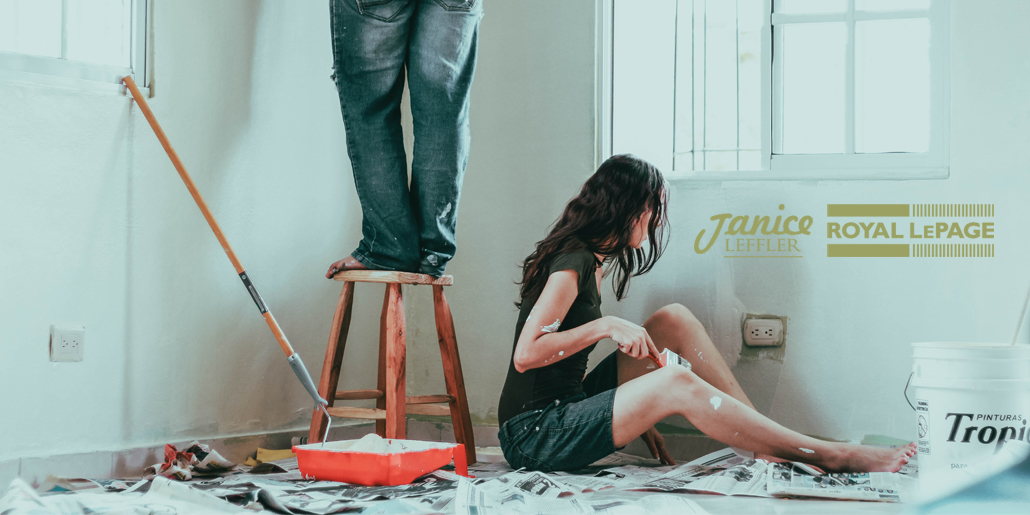
Painting Tips: Get the Job Done Faster

Unless painting a room is a passion, you probably want to finish the task as soon as
possible. You still want to do a quality job though and you want to be efficient.
Here are some tips for doing just that:

● One-coat paints. Having to do a second coat is time-consuming. Fortunately,
there are several “one coat” paints that can get the job done. They don’t work for
every type of project. But, if your walls are in good condition and you’re not
dramatically changing the underlying colour, a one-coat paint is worth
considering.

● Leverage various-sized rollers. Most people use rollers for the main wall surface
and switch to brushes for the tight areas. Instead of a brush, try a smaller roller.
That can speed up the painting considerably.

● Use quality brushes and rollers. Cheap brushes tend to not hold paint evenly and
can also shed fibres. Then you have to pick them off the painted surface. Good
quality brushes and rollers may cost a little more, but the paint will be applied
more smoothly and evenly. This will save you time.

● Wear your painter’s tape. When running painter’s tape to prep a room, wear the
roll on your wrist. That way, you won’t constantly be reaching for it.

● Wrap rollers and brushes in plastic. For longer painting jobs, wrap rollers and
brushes that are not in use in plastic wrap or baggies. Not a special type of
plastic, just wrap or a baggy you use every day That will keep the brushes and
rollers wet while you take a break.

● Start in the middle. Most people start at the end of a wall and work their way to
the center. You’ll paint faster if you do the opposite. In addition, you’ll avoid
applying too much paint in the corners. People are apt to use too much when
they start there.

Want more tips for preparing your home for sale? Call me.

How to Pack for a Move

You never thought you owned a lot of stuff before. Now you have to move and you’re
not sure where to begin. It probably feels like too daunting a task to get everything done
by your completion date.

How are you supposed to pack it all up in time?

Take a deep breath. With the right packing tips, you can have everything out before the
deadline and keep your sanity.

This guide will show you how to pack for a move when you don’t have a lot of time to
spare, so keep reading.

Rent a Moveable Storage Container

Packing for a move is much easier if you can take the boxes out of your house and load
them up in a storage container as you go. This will help you save precious time.
You won’t have to rent a truck or a moving team to transport all your belongings to a
self-storage facility. In this way, you’re cutting out travel time to and from the unit. That
can take up a lot of time.

A portable storage container will also take all your belongings to your doorstep. This
means you won’t have to make several more trips to unload everything from storage
when you get to your new home.

While this isn’t the right fit for everyone during a move, it can make the entire process
less overwhelming.

Don’t Do It Alone

Trying to pack up your entire house on your own is a massive chore, especially if you’re
in a time crunch. Everything will be much more manageable if you have help.
Hiring a moving team is a smart choice for many homeowners. However, you won’t
have to if you can call on your friends and family and ask them for a favour. Set up a
packing day where you treat them to a meal after a day of work. You can always return
the favour when they need it.

Write a To-Do List (And Stick to It!)

Thinking about all the chores you have to do to prepare for a move can be
overwhelming. It’s easy to get distracted and overthink it. Then you may end up not
able to finish anything on time.

Don’t let yourself get carried away.

Instead, write a to-do list that includes everything you need to get done before you
leave. Focus on one step at a time. Tackling small tasks one at a time will keep you on
track and speed up the process.

Sort as You Pack

Keeping things you don’t need will take up space in your storage container or moving
truck. This means you’ll have to pay extra money for more space and spend more time
moving useless boxes.

You should try to get rid of as many items as possible while you’re packing.
Don’t let go of anything you’ll regret though.

Saving space and money is important, but it’s not worth losing precious keepsakes. If
you’re having trouble deciding whether or not you should let something go, keep it for
now. You can always get rid of it later when you have more time to think about it.

Throwing things away too quickly could bring about a lot of heartache. It will defeat the
purpose if you have to buy new replacements later.

Label EVERYTHING

Do your best to write a list of everything you put inside a box. Tape this list to the
outside so you know where to find things when you’re unpacking. If you can, label every
box with a room, such as “kitchen,” “bathroom,” “primary bedroom,” “laundry room,” etc.
This will make it easier to put every box in the right room. It will also reduce your risk of
losing anything during the move.

If you need to be out of your house quickly, you might not have time for such organized
packing. In this case, do your best to just get everything in a box. Though it will be
harder, you can sort it all out again later.

Pack a To-Go Bag

As you pack for a move, you should always load a to-go bag with some basic
essentials. Keep it with you during your travels. The storage container you rented might
get delayed (unlikely). The moving team might not show up at your new home on the
same day as you. A to-go bag will ensure you have enough with you to survive a day or
two without your belongings.

Here’s what you should pack in your bag:

● Wallet
● Keys
● Medications
● Important paperwork (such as your SSN, birth certificate, passport, etc.)
● Phone charger
● Toiletries
● Change of clothes
● Roll of toilet paper
● Food and water
● Pet supplies (if necessary)
● Kid supplies (if necessary)
● Bedding (if you have space)
If you have any expensive jewelry or other belongings, you should keep these with you.
It’s a good idea to pack valuables in your to-go bag to ensure they don’t get lost or
damaged during the move.

How to Pack for a Move When You Have No Time

There are a lot of steps involved with a move. Figuring out how to pack up your home is
one of the hardest. It takes up a lot of time. If you aren’t careful you could end up losing
or breaking things along the way.