
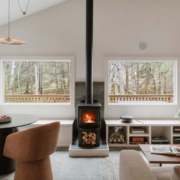
Selling a Home With a Wood Stove or Fireplace in the Comox Valley: What Buyers Will Want to Know
There is something appealing about walking into a home on a cool Vancouver Island afternoon and finding a wood stove or fireplace warming the living room. For many buyers in the Comox Valley, a wood-burning appliance adds character, comfort and a sense of home.
In some properties, particularly rural homes and older houses around Courtenay, Comox, Cumberland and the surrounding communities, wood heat may also be an important part of how the home functions.
But when it comes time to sell, a wood stove or fireplace can raise questions that homeowners don’t always anticipate.
Buyers may want to know when the appliance was installed, whether it has been professionally inspected, how often it is used and whether their insurance company will accept it. Some will see it as a desirable feature, while others may be concerned about maintenance or future replacement costs.
If you’re selling a home with a wood stove or fireplace in the Comox Valley, understanding these considerations before listing can help you present the property accurately and avoid surprises during the sale.
A Fireplace Can Be a Selling Feature, but Buyers Look Beyond Appearance
A beautiful stone fireplace or traditional wood stove can make a memorable impression during a showing. It may be one of the features that gives a home its personality, particularly when it’s located in a comfortable family room or an inviting open-concept living area.
However, today’s buyers tend to look beyond how a feature photographs.
They want to understand how the appliance operates, what maintenance is required and whether it has been properly installed. They may also want to know whether the fireplace is primarily decorative or contributes significantly to the home’s heating.
These questions become particularly important when a property has an older wood stove, a fireplace insert or a heating arrangement that has changed over time.
A well-maintained appliance with available documentation can provide reassurance. An appliance with an unknown installation history may lead buyers to request further investigation.
What Is a WETT Inspection, and Why Might Buyers Ask for One?
One term homeowners may encounter when selling a property with a wood-burning appliance is WETT.
WETT stands for Wood Energy Technology Transfer. The organization provides training and certification for professionals who work with wood-burning systems, including inspections.
A WETT inspection is commonly requested by buyers or insurance providers to assess the installation of a wood-burning appliance and identify potential safety or compliance concerns.
It’s important to understand that an inspection is not the same as a guarantee that every component is safe or that an appliance meets every applicable requirement. The scope of an inspection matters, and additional work may be recommended.
If you have an existing WETT inspection report, keep it available with your property documentation. Buyers and their insurers may still require a more recent inspection or their own assessment.
For homeowners who have never had their wood stove or fireplace inspected, it may be worthwhile to speak with a qualified professional before listing.
Will a Wood Stove Affect a Buyer’s Home Insurance?
Insurance is one of the most important considerations for buyers purchasing a property with wood heat.
Some insurers request information about the appliance, its age, installation, maintenance history and inspection status. Requirements vary between insurance providers and may depend on the type of appliance and how it is used.
A buyer should never assume that an existing owner’s insurance arrangements will automatically apply to them.
This is particularly important when wood heat is the primary heating source, rather than a supplemental feature.
For sellers, providing accurate information about the heating system can help buyers ask the right questions early in the purchasing process.
I’ve discussed the broader importance of property coverage in my article Some Insight into Home Insurance, which is another useful resource for buyers and sellers.
Older Homes May Have Heating Systems That Have Changed Over Time
The Comox Valley has a wide variety of housing, from newer residential developments to established neighbourhoods and rural properties with decades of history.
In an older home, the original fireplace may have been modified, a wood stove may have been replaced or a fireplace insert may have been installed by a previous owner.
Sometimes the current homeowner has very little information about when those changes were made.
This doesn’t necessarily mean there is a problem. It does mean buyers may want to investigate the installation and any available permit or inspection records.
If you’re preparing to sell an older property, gathering whatever documentation you have can be helpful. Receipts, appliance manuals, installation records and service reports may all provide useful background.
Where information is unavailable, it’s better to be transparent than to make assumptions about an appliance’s age or compliance.
Wood Heat and Rural Properties in the Comox Valley
For some rural properties, a wood stove is more than an attractive feature. It may be an important secondary source of heat, especially in areas where homeowners value additional heating options during winter weather.
Buyers considering acreage or properties outside the main urban centres may ask about wood storage, chimney maintenance, access to firewood and the home’s other heating systems.
They may also want to understand how the property is heated when nobody is home or when the wood stove isn’t in use.
These are practical questions that can affect a buyer’s perception of the property.
In my earlier article, Buying Rural Property Near Courtenay or Comox: Wells, Septic Systems, Zoning, and What You Need to Know, I discussed why rural buyers often need to investigate more than the home’s appearance. Heating systems are another part of that broader due diligence.
Should You Replace an Older Wood Stove Before Selling?
Homeowners sometimes wonder whether replacing an older appliance will make their property more attractive to buyers.
The answer depends on the condition of the existing system, the property’s overall presentation and whether any safety or compliance concerns have been identified.
A newer, professionally installed appliance may be appealing, but that doesn’t mean you’ll recover the full cost of replacement through a higher selling price.
If an inspection identifies a problem, addressing it before listing may be worthwhile. If the appliance is functioning well and has appropriate documentation, replacement may not be necessary.
It’s also important to consider local requirements and any applicable restrictions or incentives before installing or replacing a wood-burning appliance.
Rather than making a major investment based on assumptions, it’s worth reviewing the property as a whole and considering what buyers in your price range are likely to expect.
What About Gas Fireplaces and Electric Fireplaces?
Not every fireplace creates the same questions.
Gas fireplaces have their own servicing, installation and safety considerations. Buyers may ask when the unit was last serviced and whether it operates correctly.
Electric fireplaces are generally simpler from an installation and maintenance perspective, although buyers may still want to confirm that built-in units and associated electrical work have been installed appropriately.
When marketing a property, it’s helpful to clearly identify the type of fireplace or heating appliance rather than describing every feature simply as a fireplace.
Accurate listing information helps buyers understand what they’re viewing and reduces confusion later.
How to Prepare a Home With a Fireplace for Winter Showings
A fireplace can contribute to the atmosphere of a home, especially during fall and winter, but presentation should never take priority over safety.
If the appliance hasn’t been used recently or its condition is uncertain, don’t light it simply to create a welcoming setting for photographs or showings.
Instead, make sure the surrounding area is clean, remove unnecessary clutter and keep available maintenance or inspection information organized.
For homes where a fireplace is an attractive architectural feature, professional photography can highlight its place within the room without requiring it to be operating.
A well-presented living space can communicate warmth and comfort through lighting, furnishings and thoughtful staging.
Buyers Appreciate Clear Information
One of the recurring themes I see in real estate is that buyers feel more comfortable when they understand what they’re purchasing.
That doesn’t mean every property needs to be perfect.
Older homes will have older components. Rural properties may have systems that require additional maintenance. A fireplace or wood stove may need professional attention at some point, just like a roof, furnace or hot water tank.
What matters is that buyers have an opportunity to investigate important details and make informed decisions.
For sellers, being prepared with accurate information can make that process easier.
A wood stove or fireplace may be a genuine selling feature, but buyers are more likely to appreciate it when they can understand how it fits into the home’s overall condition and operation.
Selling Your Comox Valley Home This Winter?
If you’re considering selling your home in Courtenay, Comox, Cumberland or the surrounding Comox Valley, it’s worth looking at the property through a buyer’s eyes before it goes on the market.
Features that you’ve enjoyed for years, including a fireplace or wood stove, may raise questions for someone seeing the home for the first time.
I can help you assess your property’s presentation, consider what information buyers may request and develop a marketing approach that highlights its strengths.
Whether you’re preparing to list this winter or thinking ahead to the spring market, contact me to discuss selling your Comox Valley home. A little preparation now can make the next steps easier.
Frequently Asked Questions
Do I need a WETT inspection to sell a house with a wood stove in B.C.?
A WETT inspection is not automatically a universal requirement for every home sale in British Columbia. However, a buyer, lender or insurance provider may request one. The requirements depend on the circumstances and the parties involved.
Can I sell my home if the wood stove is not certified?
A property may still be sold, but an older or non-compliant appliance can create concerns for buyers and insurers. Sellers should accurately disclose known information and obtain professional advice about any identified safety or compliance issues.
Does a wood stove increase the value of a home?
It can contribute to buyer appeal, particularly where supplemental heating is desirable. However, its effect on market value depends on the appliance’s condition, installation, the property and local buyer preferences.
Should I have my chimney cleaned before listing?
If the chimney is due for maintenance, arranging professional cleaning or inspection may be a sensible part of preparing the property. Keep any service records available for prospective buyers.
Are wood stoves common in rural Comox Valley homes?
Wood-burning appliances are found in a range of properties throughout the region, particularly older and rural homes. Buyers should assess each property’s heating system individually rather than assuming that all wood stoves have the same installation or insurance requirements.