
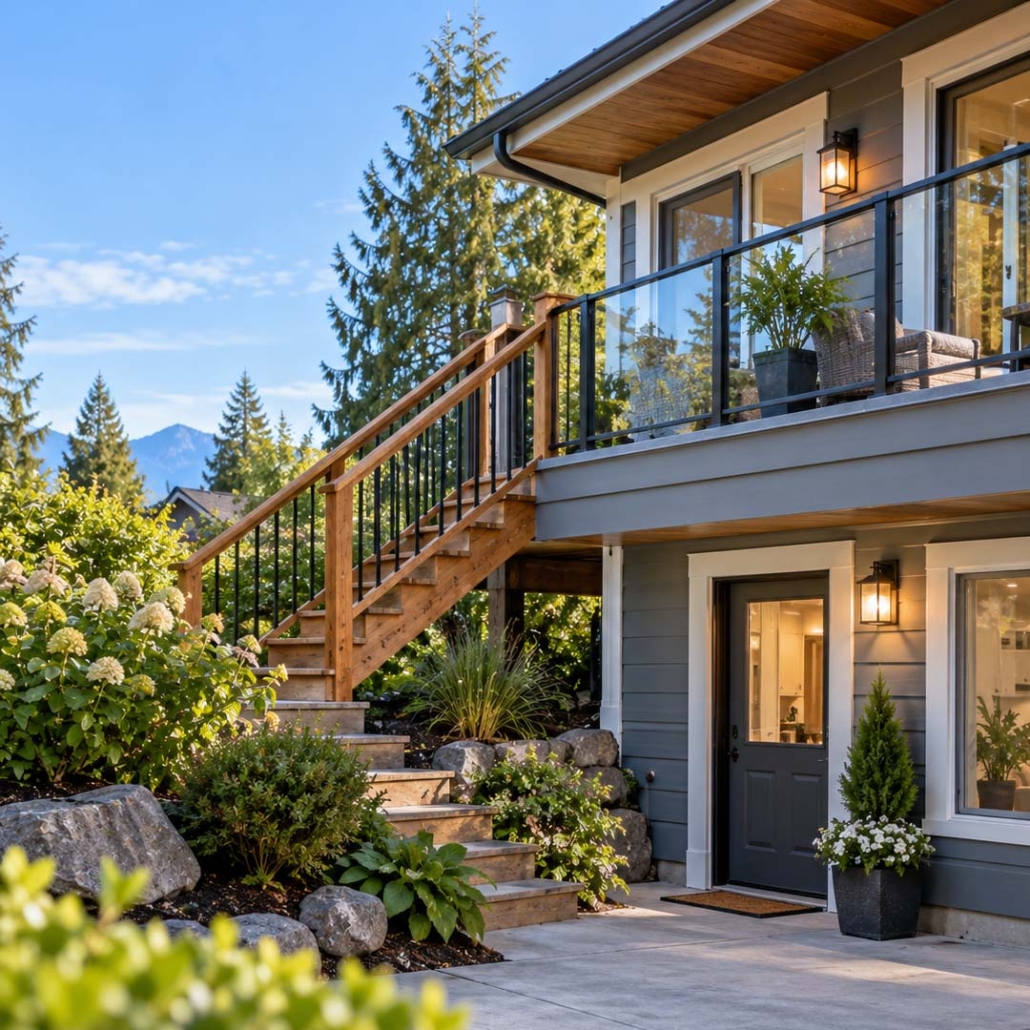
Selling a Home With a Secondary Suite in the Comox Valley: What Buyers Want to Know
A home with a secondary suite can appeal to a wider range of buyers than you might expect. Some are looking for rental income to help with mortgage payments. Others want space for an adult child, aging parent or extended family member. For some purchasers, the flexibility of having two separate living areas is one of the property’s most attractive features.
But selling a home with a secondary suite also introduces questions that don’t always arise with a traditional single-family property.
Buyers want to know whether the suite is authorized, what expenses come with operating it, whether there are tenants and how the additional living space may affect financing, insurance and future resale.
If you’re considering selling a home with a secondary suite in the Comox Valley, understanding these questions before listing can help you prepare your property and avoid unnecessary complications during the sale.
Secondary Suite Rules in Courtenay, Comox and Cumberland: What Sellers Should Know in 2026
Secondary suites have become an important part of housing discussions across British Columbia, particularly as municipalities respond to provincial legislation intended to increase housing options. However, the rules governing secondary suites are not identical throughout the Comox Valley.
In Courtenay, homeowners need an approved building permit for a secondary suite. The City also advises that an unauthorized suite must meet applicable zoning and building-code requirements before it can be rented. Sellers should check what permits and approvals are on file rather than assuming that a suite is authorized because it has been occupied for many years.
In the Town of Comox, Zoning Bylaw 2056 permits secondary suites in designated residential zones and certain other zones. General requirements include a separate entrance and a maximum of one secondary suite per principal dwelling unit. Building permits are required, and homeowners should confirm the specific zoning and approval status of their property.
Cumberland introduced a new zoning bylaw in February 2026, replacing its previous 2016 regulations. This makes it especially important for homeowners to verify their property’s current zoning and any applicable requirements before advertising a secondary suite as authorized.
For properties outside municipal boundaries
The Comox Valley Regional District has its own zoning and building requirements. Secondary suites and detached secondary dwellings may be permitted in various residential zones, but water supply, septic capacity, building approvals and other property-specific considerations can affect what is allowed.
In June 2026, the Regional District also introduced free pre-approved building plans for certain detached secondary dwellings in Electoral Areas A, B and C. Although this initiative may help homeowners interested in adding housing to their properties, it does not automatically authorize an existing suite or eliminate the need for permits.
For sellers, the important takeaway is that a secondary suite’s physical existence and its legal authorization are two different things. Before listing, it’s worth confirming the property’s zoning, reviewing available building permits and identifying any outstanding questions about compliance.
Providing accurate information from the beginning can help buyers evaluate the property with greater confidence and reduce complications during the sale.
Does a Secondary Suite Increase the Value of Your Home?
A secondary suite can be a valuable feature, but its contribution to the property’s market value depends on several factors.
Buyers may consider the suite’s condition, layout, privacy, access, parking, rental potential and authorization status. The location of the property and demand for homes with additional accommodation can also influence its appeal.
An attractive, well-maintained suite with a functional layout may be a significant selling feature. However, an unfinished or unauthorized suite may be viewed differently, particularly if a buyer anticipates additional expenses or limitations on its use.
It’s important not to assume that the cost of constructing a suite will be reflected dollar for dollar in the eventual selling price.
A realistic Comox Valley home valuation should consider recent comparable sales and how buyers are likely to perceive the suite in the current market.
What If the Suite Is Currently Rented?
Selling a property with an existing tenant requires additional planning.
In British Columbia, selling a rental property does not automatically end a tenancy. The existing tenancy generally continues when ownership changes, and both sellers and buyers need to understand their obligations under the Residential Tenancy Act.
This can affect showing arrangements, possession dates and the type of buyer most interested in the property.
For example, an investor may appreciate purchasing a home with an established tenant, while a buyer hoping to use the suite for family accommodation may have different expectations.
It’s important to understand the tenancy agreement, rental terms, deposits and applicable notice requirements before promising vacant possession.
The Province of British Columbia’s guide to selling a rental property is a useful starting point, and homeowners should seek appropriate professional advice when tenancy questions arise.
What Information Will Buyers Want About Rental Income?
When a property is marketed as having rental income potential, buyers will often want more information than an estimated monthly rent.
They may ask about current rental income, the terms of an existing tenancy, utility arrangements, maintenance costs and any expenses associated with operating the suite.
If the suite is vacant, potential rental income should be presented carefully. What a property might rent for and what a buyer can reasonably expect to receive are not necessarily the same thing.
Some buyers may also be interested in whether rental income can be considered when qualifying for a mortgage. Lending policies vary, so that question is best addressed with a mortgage professional.
Providing accurate information allows buyers to evaluate the financial potential of the property without relying on assumptions.
How Does the Suite Affect Home Insurance?
Insurance is another consideration that deserves attention before a property is listed.
A home with a secondary suite may have different insurance requirements than a single-family home occupied exclusively by its owners.
Insurers may want information about the suite’s construction, occupancy, rental arrangements, heating systems and other property characteristics.
Buyers should confirm that appropriate insurance is available for their intended use of the property and understand the associated costs.
If you’re preparing to sell, having accurate information about your current insurance arrangements may help answer some initial questions, although buyers will still need to obtain their own coverage.
I’ve previously discussed related considerations in my article Some Insight into Home Insurance.
Privacy, Parking and Separate Living Spaces
Not every buyer is looking at a secondary suite purely as a source of income.
Some are thinking about how the property will function with multiple people living under one roof.
Does the suite have a separate entrance? Is there adequate parking? How much sound transfers between the living areas? Are laundry facilities shared? Is there outdoor space that can be enjoyed independently?
These practical details can influence how appealing the property feels during a showing.
A thoughtfully designed suite that provides reasonable privacy for both living areas may attract buyers who want the flexibility of multigenerational living or rental accommodation.
When preparing your home for sale, it’s worth considering how clearly the property’s layout and functionality are communicated through photography, floor plans and the listing description.
Should You Renovate or Upgrade the Suite Before Selling?
It’s tempting to assume that updating a secondary suite will increase the property’s selling price, but that isn’t always the case.
Some improvements may be worthwhile, particularly if they address safety concerns, deferred maintenance or obvious presentation issues.
Other renovations may cost more than they’re likely to contribute to the sale.
Before undertaking major work, consider the suite’s existing condition, authorization status and how the property compares with similar homes currently available.
You may discover that relatively modest improvements, such as fresh paint, better lighting, repairs or improved presentation, are more practical than a full renovation.
The goal is to make informed decisions about where to invest your money before listing.
Buyers May Have Different Plans for the Same Suite
One of the interesting things about homes with secondary suites is that buyers may see completely different possibilities in the same property.
A first-time buyer may view rental income as a way to offset housing costs. A family may see an opportunity to accommodate an aging parent. Someone working from home may be attracted to the additional space, although any proposed use must comply with applicable regulations.
Other buyers may prefer to occupy the entire property themselves.
This is why it’s helpful to market the flexibility of a home with a suite while remaining accurate about what uses are currently permitted.
A property can appeal to several types of purchasers without making promises about future rental income, financing approval or municipal authorization.
Prepare the Documentation Before Your Home Goes on the Market
One of the best ways to make the selling process easier is to gather relevant information before buyers begin asking questions.
Depending on the property, this may include building permits, inspection records, available plans, tenancy agreements, utility information, maintenance records and documentation relating to improvements.
Not every property will have every document, particularly older homes where a suite may have been added many years ago.
The important thing is to understand what information is available, what still needs to be verified and how the property should be accurately represented.
This can help buyers make informed decisions and reduce the likelihood of unexpected issues arising during their due diligence.
Selling a Home With a Secondary Suite Requires the Right Strategy
A secondary suite can be an appealing feature, but it also makes accurate pricing, preparation and marketing particularly important.
The right approach will depend on the property’s location, condition, suite configuration, authorization status and whether tenants are currently living there.
If you’re thinking about selling your home in Courtenay, Comox or the surrounding Comox Valley, I’d be happy to help you evaluate how your secondary suite may influence buyer interest and the property’s market value.
Whether you’re ready to list now or simply exploring your options, understanding the details before putting your home on the market is a good place to start. Get in touch with me today to learn more!
Frequently Asked Questions About Selling a Home With a Secondary Suite
Can I sell a house with an unauthorized suite in B.C.?
Yes, a home with an unauthorized suite can generally be sold, but the suite’s status must be accurately represented. Buyers should understand any limitations, compliance issues or additional work that may be required before using the space as a rental unit.
Does a legal secondary suite increase property value?
An authorized, functional secondary suite may increase buyer appeal and contribute to market value. The actual impact depends on the property, location, condition, layout and comparable sales.
Can I sell my home if there is a tenant living in the suite?
Yes. However, the existing tenancy generally continues when a property is sold. Sellers must comply with B.C.’s Residential Tenancy Act, including rules governing showings, notices and possession.
Will buyers be able to use rental income to qualify for a mortgage?
Some lenders may consider eligible rental income when evaluating a mortgage application. Policies and calculations vary, so buyers should confirm their options with a mortgage professional.
Should I renovate my secondary suite before listing?
Not necessarily. The value of renovations depends on the suite’s condition, authorization status, current buyer expectations and the likely return on investment. A REALTOR® can help you assess which improvements may be worthwhile before selling.


Leave a Reply
Want to join the discussion?Feel free to contribute!