
Tag Archive for: home insurance

selling a home with a wood stove comox valley

Selling a Home With a Wood Stove or Fireplace in the Comox Valley: What Buyers Will Want to Know

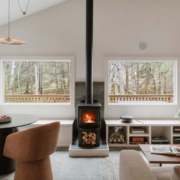
There is something appealing about walking into a home on a cool Vancouver Island afternoon and finding a wood stove or fireplace warming the living room. For many buyers in the Comox Valley, a wood-burning appliance adds character, comfort and a sense of home.

In some properties, particularly rural homes and older houses around Courtenay, Comox, Cumberland and the surrounding communities, wood heat may also be an important part of how the home functions.

But when it comes time to sell, a wood stove or fireplace can raise questions that homeowners don’t always anticipate.

Buyers may want to know when the appliance was installed, whether it has been professionally inspected, how often it is used and whether their insurance company will accept it. Some will see it as a desirable feature, while others may be concerned about maintenance or future replacement costs.

If you’re selling a home with a wood stove or fireplace in the Comox Valley, understanding these considerations before listing can help you present the property accurately and avoid surprises during the sale.

A Fireplace Can Be a Selling Feature, but Buyers Look Beyond Appearance

A beautiful stone fireplace or traditional wood stove can make a memorable impression during a showing. It may be one of the features that gives a home its personality, particularly when it’s located in a comfortable family room or an inviting open-concept living area.

However, today’s buyers tend to look beyond how a feature photographs.

They want to understand how the appliance operates, what maintenance is required and whether it has been properly installed. They may also want to know whether the fireplace is primarily decorative or contributes significantly to the home’s heating.

These questions become particularly important when a property has an older wood stove, a fireplace insert or a heating arrangement that has changed over time.

A well-maintained appliance with available documentation can provide reassurance. An appliance with an unknown installation history may lead buyers to request further investigation.

What Is a WETT Inspection, and Why Might Buyers Ask for One?

One term homeowners may encounter when selling a property with a wood-burning appliance is WETT.

WETT stands for Wood Energy Technology Transfer. The organization provides training and certification for professionals who work with wood-burning systems, including inspections.

A WETT inspection is commonly requested by buyers or insurance providers to assess the installation of a wood-burning appliance and identify potential safety or compliance concerns.

It’s important to understand that an inspection is not the same as a guarantee that every component is safe or that an appliance meets every applicable requirement. The scope of an inspection matters, and additional work may be recommended.

If you have an existing WETT inspection report, keep it available with your property documentation. Buyers and their insurers may still require a more recent inspection or their own assessment.

For homeowners who have never had their wood stove or fireplace inspected, it may be worthwhile to speak with a qualified professional before listing.

Will a Wood Stove Affect a Buyer’s Home Insurance?

Insurance is one of the most important considerations for buyers purchasing a property with wood heat.

Some insurers request information about the appliance, its age, installation, maintenance history and inspection status. Requirements vary between insurance providers and may depend on the type of appliance and how it is used.

A buyer should never assume that an existing owner’s insurance arrangements will automatically apply to them.

This is particularly important when wood heat is the primary heating source, rather than a supplemental feature.

For sellers, providing accurate information about the heating system can help buyers ask the right questions early in the purchasing process.

I’ve discussed the broader importance of property coverage in my article Some Insight into Home Insurance, which is another useful resource for buyers and sellers.

Older Homes May Have Heating Systems That Have Changed Over Time

The Comox Valley has a wide variety of housing, from newer residential developments to established neighbourhoods and rural properties with decades of history.

In an older home, the original fireplace may have been modified, a wood stove may have been replaced or a fireplace insert may have been installed by a previous owner.

Sometimes the current homeowner has very little information about when those changes were made.

This doesn’t necessarily mean there is a problem. It does mean buyers may want to investigate the installation and any available permit or inspection records.

If you’re preparing to sell an older property, gathering whatever documentation you have can be helpful. Receipts, appliance manuals, installation records and service reports may all provide useful background.

Where information is unavailable, it’s better to be transparent than to make assumptions about an appliance’s age or compliance.

Wood Heat and Rural Properties in the Comox Valley

For some rural properties, a wood stove is more than an attractive feature. It may be an important secondary source of heat, especially in areas where homeowners value additional heating options during winter weather.

Buyers considering acreage or properties outside the main urban centres may ask about wood storage, chimney maintenance, access to firewood and the home’s other heating systems.

They may also want to understand how the property is heated when nobody is home or when the wood stove isn’t in use.

These are practical questions that can affect a buyer’s perception of the property.

In my earlier article, Buying Rural Property Near Courtenay or Comox: Wells, Septic Systems, Zoning, and What You Need to Know, I discussed why rural buyers often need to investigate more than the home’s appearance. Heating systems are another part of that broader due diligence.

Should You Replace an Older Wood Stove Before Selling?

Homeowners sometimes wonder whether replacing an older appliance will make their property more attractive to buyers.

The answer depends on the condition of the existing system, the property’s overall presentation and whether any safety or compliance concerns have been identified.

A newer, professionally installed appliance may be appealing, but that doesn’t mean you’ll recover the full cost of replacement through a higher selling price.

If an inspection identifies a problem, addressing it before listing may be worthwhile. If the appliance is functioning well and has appropriate documentation, replacement may not be necessary.

It’s also important to consider local requirements and any applicable restrictions or incentives before installing or replacing a wood-burning appliance.

Rather than making a major investment based on assumptions, it’s worth reviewing the property as a whole and considering what buyers in your price range are likely to expect.

What About Gas Fireplaces and Electric Fireplaces?

Not every fireplace creates the same questions.

Gas fireplaces have their own servicing, installation and safety considerations. Buyers may ask when the unit was last serviced and whether it operates correctly.

Electric fireplaces are generally simpler from an installation and maintenance perspective, although buyers may still want to confirm that built-in units and associated electrical work have been installed appropriately.

When marketing a property, it’s helpful to clearly identify the type of fireplace or heating appliance rather than describing every feature simply as a fireplace.

Accurate listing information helps buyers understand what they’re viewing and reduces confusion later.

How to Prepare a Home With a Fireplace for Winter Showings

A fireplace can contribute to the atmosphere of a home, especially during fall and winter, but presentation should never take priority over safety.

If the appliance hasn’t been used recently or its condition is uncertain, don’t light it simply to create a welcoming setting for photographs or showings.

Instead, make sure the surrounding area is clean, remove unnecessary clutter and keep available maintenance or inspection information organized.

For homes where a fireplace is an attractive architectural feature, professional photography can highlight its place within the room without requiring it to be operating.

A well-presented living space can communicate warmth and comfort through lighting, furnishings and thoughtful staging.

Buyers Appreciate Clear Information

One of the recurring themes I see in real estate is that buyers feel more comfortable when they understand what they’re purchasing.

That doesn’t mean every property needs to be perfect.

Older homes will have older components. Rural properties may have systems that require additional maintenance. A fireplace or wood stove may need professional attention at some point, just like a roof, furnace or hot water tank.

What matters is that buyers have an opportunity to investigate important details and make informed decisions.

For sellers, being prepared with accurate information can make that process easier.

A wood stove or fireplace may be a genuine selling feature, but buyers are more likely to appreciate it when they can understand how it fits into the home’s overall condition and operation.

Selling Your Comox Valley Home This Winter?

If you’re considering selling your home in Courtenay, Comox, Cumberland or the surrounding Comox Valley, it’s worth looking at the property through a buyer’s eyes before it goes on the market.

Features that you’ve enjoyed for years, including a fireplace or wood stove, may raise questions for someone seeing the home for the first time.

I can help you assess your property’s presentation, consider what information buyers may request and develop a marketing approach that highlights its strengths.

Whether you’re preparing to list this winter or thinking ahead to the spring market, contact me to discuss selling your Comox Valley home. A little preparation now can make the next steps easier.

Frequently Asked Questions

Do I need a WETT inspection to sell a house with a wood stove in B.C.?

A WETT inspection is not automatically a universal requirement for every home sale in British Columbia. However, a buyer, lender or insurance provider may request one. The requirements depend on the circumstances and the parties involved.

Can I sell my home if the wood stove is not certified?

A property may still be sold, but an older or non-compliant appliance can create concerns for buyers and insurers. Sellers should accurately disclose known information and obtain professional advice about any identified safety or compliance issues.

Does a wood stove increase the value of a home?

It can contribute to buyer appeal, particularly where supplemental heating is desirable. However, its effect on market value depends on the appliance’s condition, installation, the property and local buyer preferences.

Should I have my chimney cleaned before listing?

If the chimney is due for maintenance, arranging professional cleaning or inspection may be a sensible part of preparing the property. Keep any service records available for prospective buyers.

Are wood stoves common in rural Comox Valley homes?

Wood-burning appliances are found in a range of properties throughout the region, particularly older and rural homes. Buyers should assess each property’s heating system individually rather than assuming that all wood stoves have the same installation or insurance requirements.

Some Insight into Home Insurance

Some Insight into Home Insurance

Home insurance is exactly what it sounds like; it is a type of insurance for your property and its contents that protects against damage, liability, and loss. While home insurance isn’t mandatory, it is if you are financing your purchase. One of the requirements of obtaining the mortgage will be that you have insurance in place. Even if you are not borrowing to buy, it is a huge expense and well worth investing in protection in the event of any sudden mishaps.

Insuring your home is a big thing. You will want to make sure you get the right coverage, at the right price that fits within your means. Determining the best kind of home insurance coverage for your needs can feel overwhelming to navigate. There are many providers and options available. Following are some of the most important aspects every homeowner should know about home insurance.

Why and when do I need home insurance?

Unlike auto insurance, home insurance isn’t government-mandated, but that doesn’t mean it’s not crucial to have. Lenders will require you to secure home insurance in order to protect the asset they’re financing. Having insurance can also give you peace of mind by knowing you’re covered when something unexpected happens. This could be a burglary, an on-site injury, or damage caused by a storm.

Flooding of basements is common and can be very costly, especially if you have a finished basement. Then you will have to replace all of the flooring and possibly furniture as well. Insurance provides peace of mind knowing you’re covered in this type of scenario.

It is important to have your home insurance kick in on the day you move into your property. This can be especially helpful so you’re covered for liability with movers or repair people on site.

When searching for home insurance, it’s beneficial to shop around and explore various options and prices out there. Insurers each have different methods of determining your premium. A premium is the amount you pay to the insurance provider on an annual or monthly basis for assuming the risk of the property.

Premiums are calculated using a number of factors about the home which determine how likely the property will require an insurance claim. Asking your insurance broker questions and comparing options can be the most effective way to get the best rate and coverage designed for you. It is unlikely two insurance companies will rate you the same way. They will often look at similar factors that go into a price, but they may weigh them differently. They could be looking for different types of customers who meet different criteria.

What types of insurance are out there?

The price you pay for your specific property will depend on a number of factors. There are three major types of insurance: home, condo and tenant.

At a basic level, insurers will assess the property’s size, location, construction materials, appliances, replacement costs, and upgrades to assess the home’s risks and calculate the insurance premium. The type of insurance you require will also play a role in determining your premium. For example, the cost of insurance for an average home will be more expensive than condo insurance.

There are ways to try lowering your premium. Paying it on an annual basis, increasing your deductible, combining it with your auto insurance, or even asking for a discount can help cut down on costs.

How much coverage and protection can I buy?

Once you’ve determined the type of insurance you need, you’ll next need to choose the level of coverage. According to the Insurance Bureau of Canada (IBC), there are four common varieties of home insurance policies, all of which have different levels of protection.

A comprehensive coverage insurance policy will protect the physical building and its contents against all insured perils, an event that will cause damage, except for those specifically excluded. Uninsurable perils, like earthquakes, and optional coverage, which is additional protection that’s not automatically part of the insurance policy, are not typically included in comprehensive policies. However, comprehensive policies are considered to be the most inclusive in terms of how much they cover.

Basic policies will cover only the perils explicitly named in the policy. For that reason, these are generally among the cheapest insurance options.

If you’re looking for a middle-of-the-road insurance package, a broad policy will apply comprehensive coverage on big-ticket items like the building, but also named perils for the home’s contents.

Finally, if your home doesn’t meet typical insurance requirements, for example it has extensive physical problems, a no-frills policy for these specific cases could be available from your provider.

Determining what kind of coverage you need will largely depend on your property’s location. Environmental factors such as floodplains and earthquake-prone areas could cause damage to your property. Not all insurance policies will protect you against these elements. You may be required to include a form of optional coverage known as an endorsement in your policy.

Basic coverage doesn’t include sewer backup or overland water, which is considered flooding endorsements. Those are the things you probably want to add if you’re in an area that is prone to flooding.

In addition to the physical building, insurance endorsements can also protect specific contents on the property. For instance, if you own high-value items like jewelry or art, a provider may only allow you to claim up to $6,000 in coverage for such items. However, an endorsement for high-priced items in your insurance policy would provide you with full coverage in the event of theft or damage.

A lot of people assume that because they have contents coverage, everything inside their house is going to be covered. That isn’t true. There are limits to the amount that will be covered on certain items.

What do I need to do to make a claim?

If an incident occurs on your property, report the event to your insurance provider as soon as possible to start the claims process. Documenting all aspects of the incident with photos, receipts and notes, and keeping a log of lost items will help greatly with processing your claim and getting reimbursed. You can never over-document. Take pictures, jot down notes.

Remember, if you were ever in an accident, you would want to document everything right away so it’s fresh in your mind.

You’ll be required to pay a deductible, which is your cost to cover damages before your provider pays out. Your provider will also be able to give guidance on what to do and what not to do when accidents happen on your property, especially in cases when repairs are required. For example, your provider may only work with approved contractors to ensure the quality of the repair.

It’s always good to keep your insurance provider in the loop when big upgrades or changes happen on your property. This will ensure you’re fully protected and will prevent a situation where you may be violating your contract and jeopardizing your claim.

An example would be during COVID-19, many homeowners were setting up a home business or undertaking renovations. In cases like these, you should update your provider. You are potentially adjusting replacement costs of materials and adding greater liability or risk to the property that would require coverage.

It’s important to keep your insurer up to date with what’s going on with your property to make sure you are properly covered and not risking your insurance so you can get a cheaper rate.

Reach out to me if you have more questions!

insurance-for-your-comox-valley-home

Some Insight into Home Insurance for Your Comox Valley Home

Home insurance is exactly what it sounds like—a type of insurance that protects your property and its contents against damage, liability, and loss. While home insurance isn’t legally required, it is mandatory if you are financing your purchase. Lenders will require proof of insurance before approving your mortgage. Even if you’re buying outright, protecting such a significant investment is well worth considering.

Securing the right home insurance coverage at a reasonable cost can feel overwhelming, but understanding the basics can make the process easier. Here’s what every homeowner should know about home insurance.

Why and When Do You Need Home Insurance for Your Comox Valley Home?

Unlike auto insurance, home insurance isn’t government-mandated. However, lenders require it to protect their investment, and having coverage gives you peace of mind in case of unexpected events like burglary, on-site injuries, or storm damage.

Flooding is a common and costly issue, especially in finished basements where flooring and furniture may need replacement. Home insurance ensures you’re covered in such scenarios.

Your policy should take effect the day you take possession of your property. This protects you from liability if movers, contractors, or repair professionals are on-site. When searching for insurance, shop around and compare quotes, as insurers calculate premiums differently based on risk factors.

Your premium—the amount you pay annually or monthly for coverage—is determined by various factors, including your home’s size, location, construction materials, replacement costs, and any upgrades. Different insurance providers assess these factors differently, meaning two companies may offer significantly different rates for the same property.

Types of Home Insurance

The cost of your insurance depends on several factors, including the type of coverage you need. The three main categories of home insurance are:

  • Home Insurance: Covers houses and their contents.
  • Condo Insurance: Covers personal property, liability, and any improvements made to the unit.
  • Tenant Insurance: Covers renters’ personal belongings and liability but not the structure itself.

Levels of Coverage

Once you determine the type of insurance you need, the next step is selecting a coverage level. The Insurance Bureau of Canada (IBC) outlines four common home insurance policies:

  1. Comprehensive Coverage: Covers the building and its contents against all perils except those explicitly excluded. This is the most inclusive policy.
  2. Basic Coverage: Covers only the risks specifically named in the policy. This is usually the least expensive option.
  3. Broad Coverage: A middle-ground option that provides comprehensive coverage for the home itself but named-perils coverage for personal belongings.
  4. No-Frills Coverage: Available for homes that don’t meet standard insurance requirements, such as those with significant structural issues.

Additional Considerations for your Comox Valley Home

Your home’s location affects coverage needs. If you live in a flood-prone or earthquake-prone area, you may need additional endorsements (optional coverage add-ons) for protection. Basic policies often exclude sewer backups or overland flooding, so adding these coverages can be crucial.

If you own high-value items like jewelry or art, check your policy limits. Many providers cap coverage on valuables at around $6,000. If your belongings exceed that amount, consider adding an endorsement for full protection.

How to Make a Claim

If an incident occurs, report it to your insurer as soon as possible. Document everything with photos, receipts, and notes. Keeping a detailed log of lost or damaged items can streamline the claims process.

You’ll need to pay a deductible—the amount you cover before the insurer steps in. Additionally, some providers require you to use approved contractors for repairs.

Keeping Your Insurance Up to Date

Updating your insurance provider about home renovations, home businesses, or significant purchases ensures you remain fully covered. Changes in property value, liability risks, or replacement costs can impact your policy. Failure to update your provider could lead to denied claims or insufficient coverage.

Ultimately, home insurance is about protecting your investment and providing financial security in case of unforeseen events. Working with an insurance broker and comparing multiple options can help you find the best coverage at the right price. Get in touch with me to learn more about insurance for your Comox Valley home!